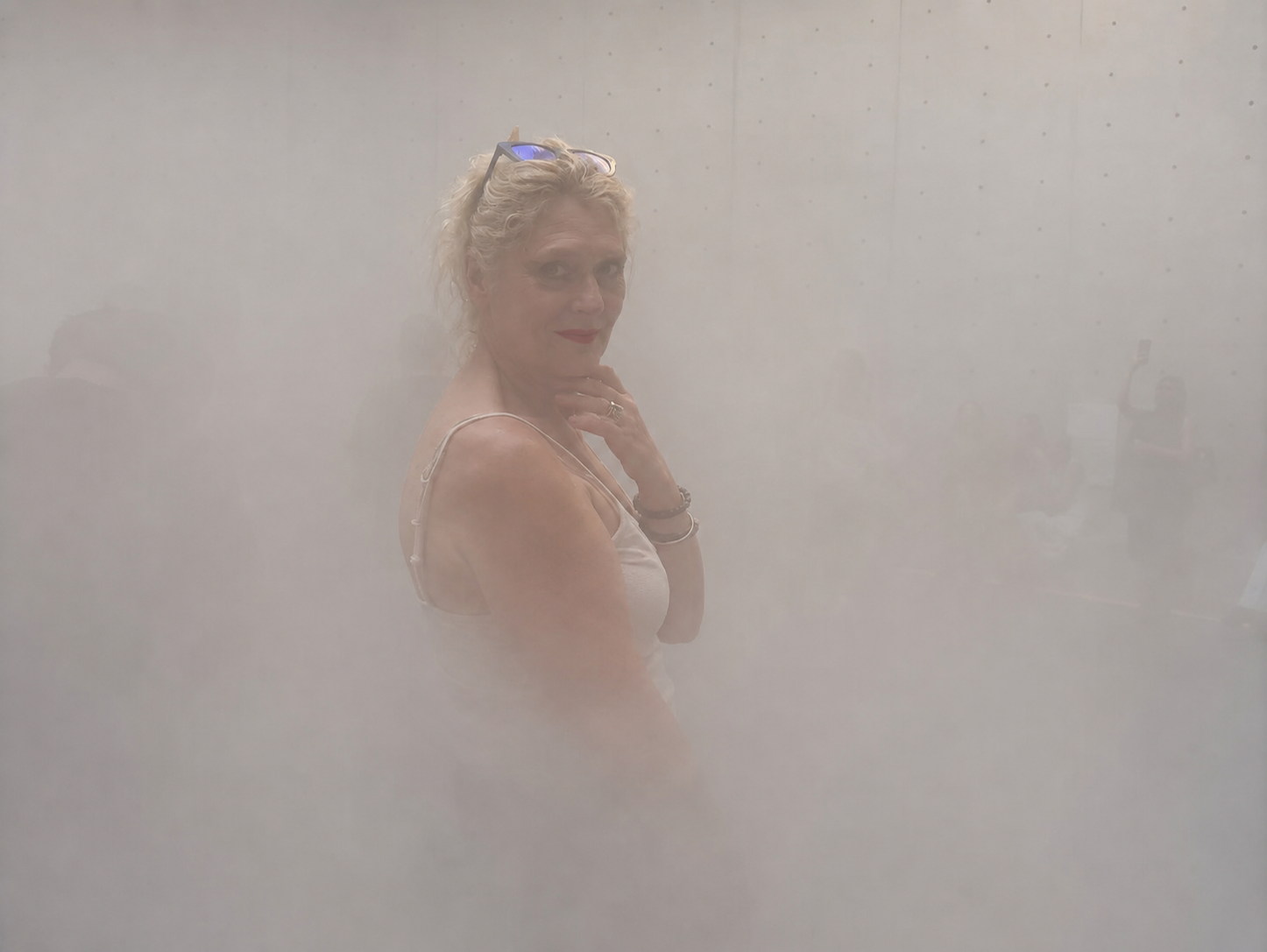
Art has accompanied Anna Khann since adolescence. She began with drawing and oil painting, studying with a classical painter and learning to build an image slowly, layer by layer. She discovered glazing, the depth created by transparency, the time between gestures and the way light can remain within matter. In the 1980s, she took part in several group exhibitions in the Marseille and Aix-en-Provence region, including Allauch, Aubagne, Aix-en-Provence and Marseille.
Painting then led her towards volume. During four years of studio practice, she explored sculpture through plaster, clay, steel and different forms of assemblage. Modelling, removing, welding, constructing: moving from one material to another became a way to search and to let the accidents and resistance of each material appear.
Over the years, her research expanded to acrylic painting, watercolour, fabric, wood, reclaimed objects and collage. No medium formed a closed territory. Some practices followed one another; others returned long after being set aside. Each material retains something of the gesture that passed through it.
A long period took Anna Khann away from exhibition circuits, but not from making. Experimentation continued without the pursuit of visibility or the immediate need to form a public body of work. Images, materials, fragments and objects remained present. The practice changed rhythm, support and intensity, but it did not disappear.
Today, Anna Khann chooses to give it her full attention. This choice is neither a late beginning nor a return to an interrupted past. It gathers experiences long dispersed and opens a space in which they can now meet, transform and become visible.
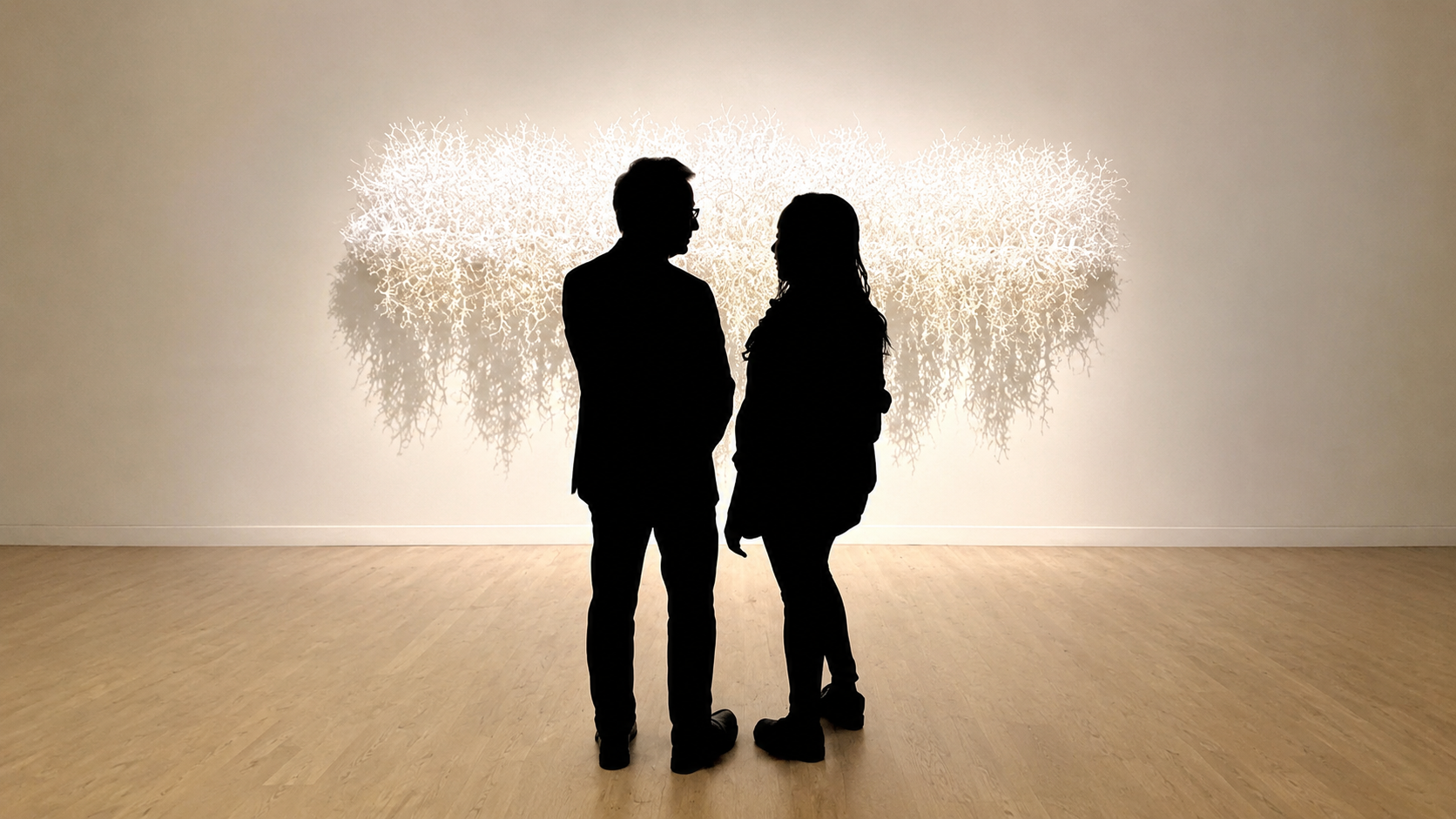
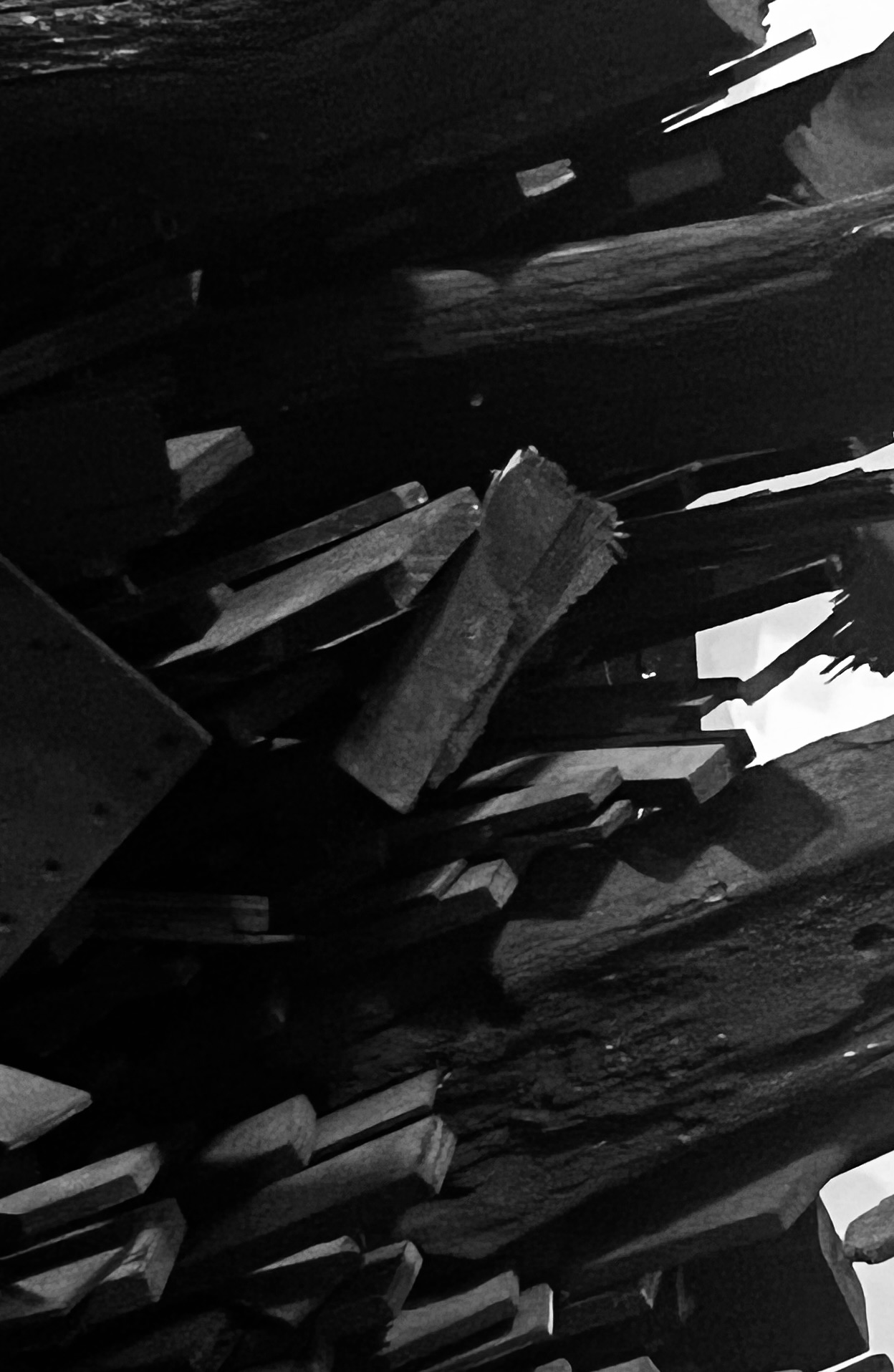
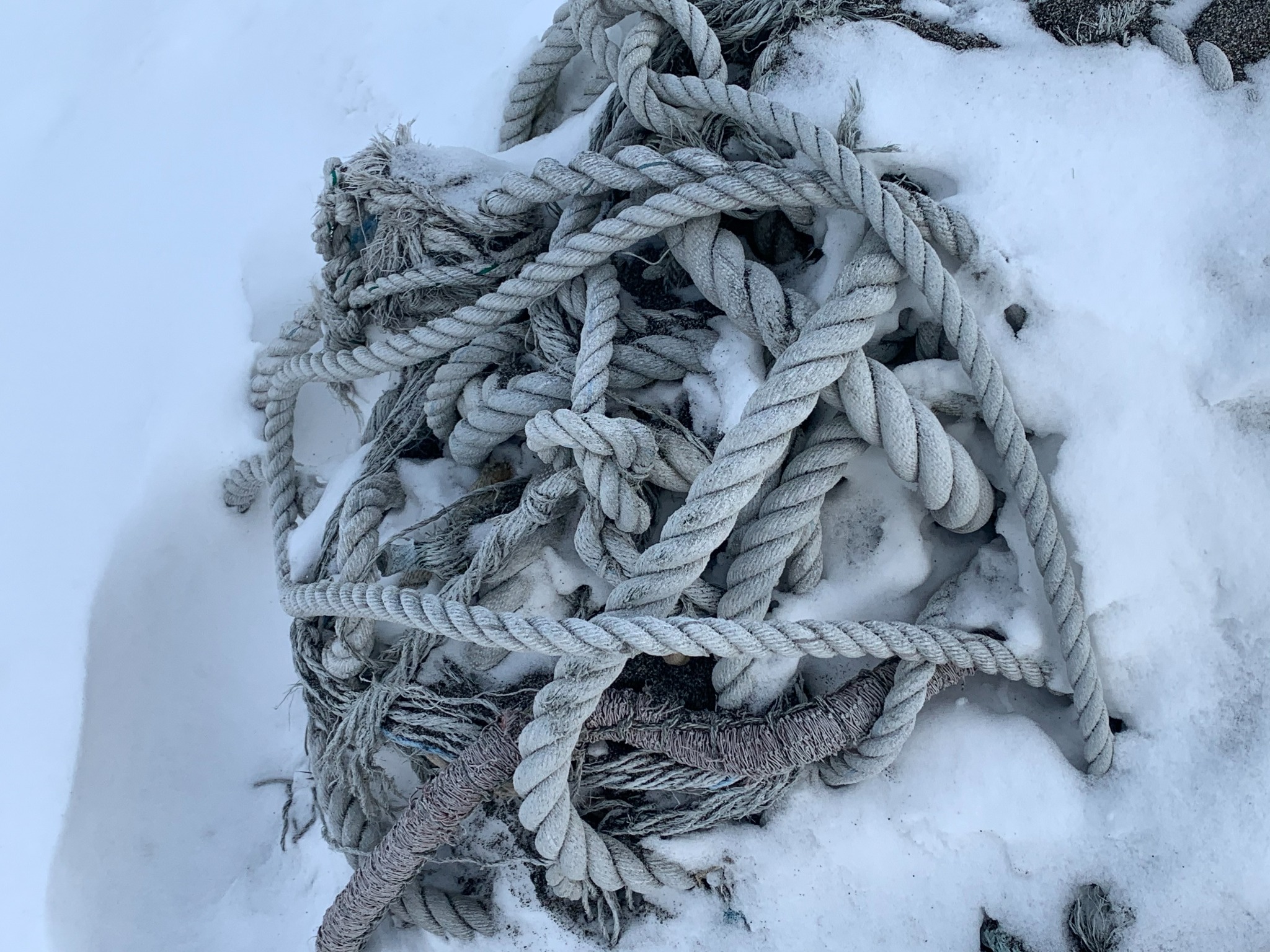
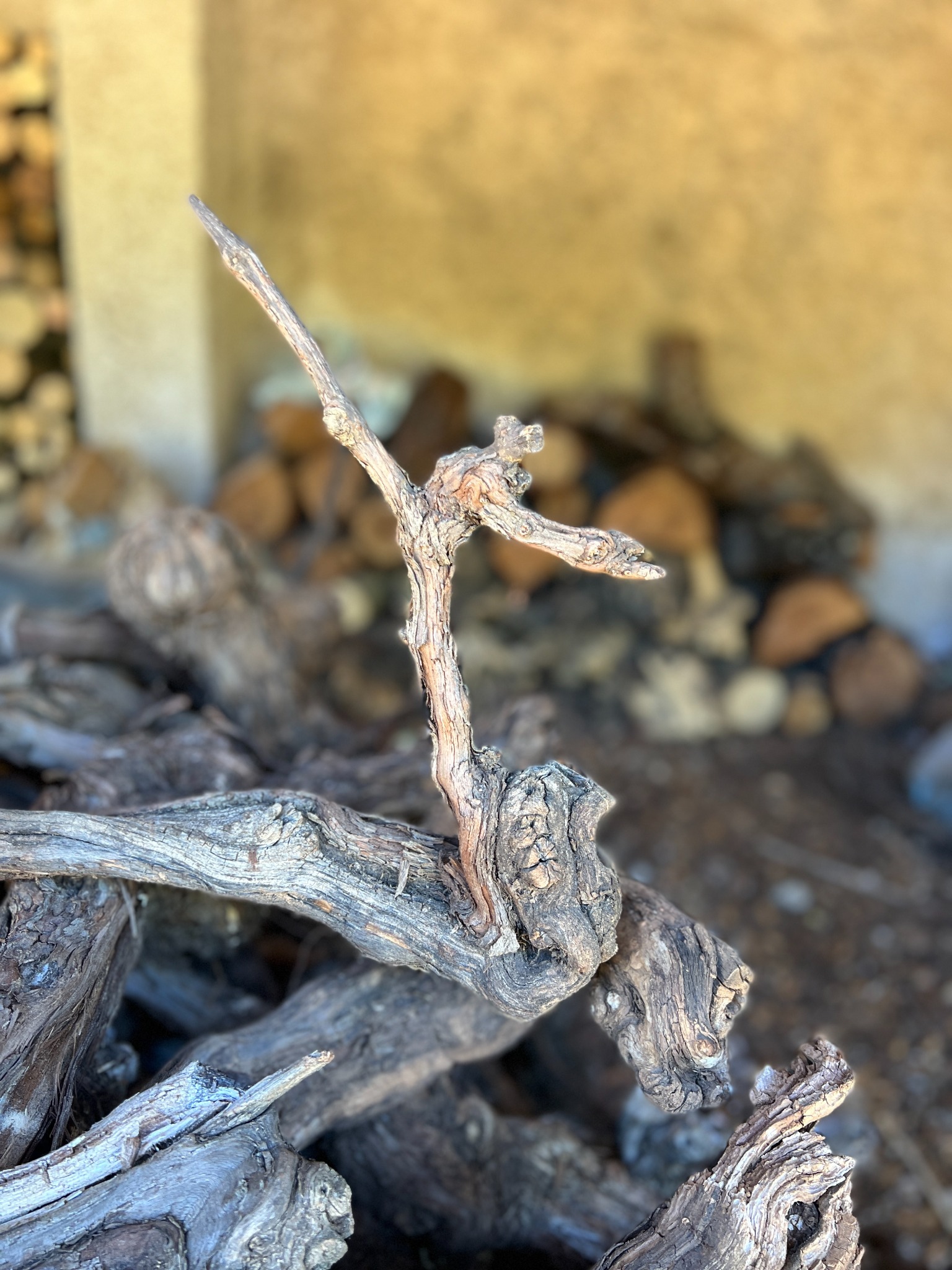
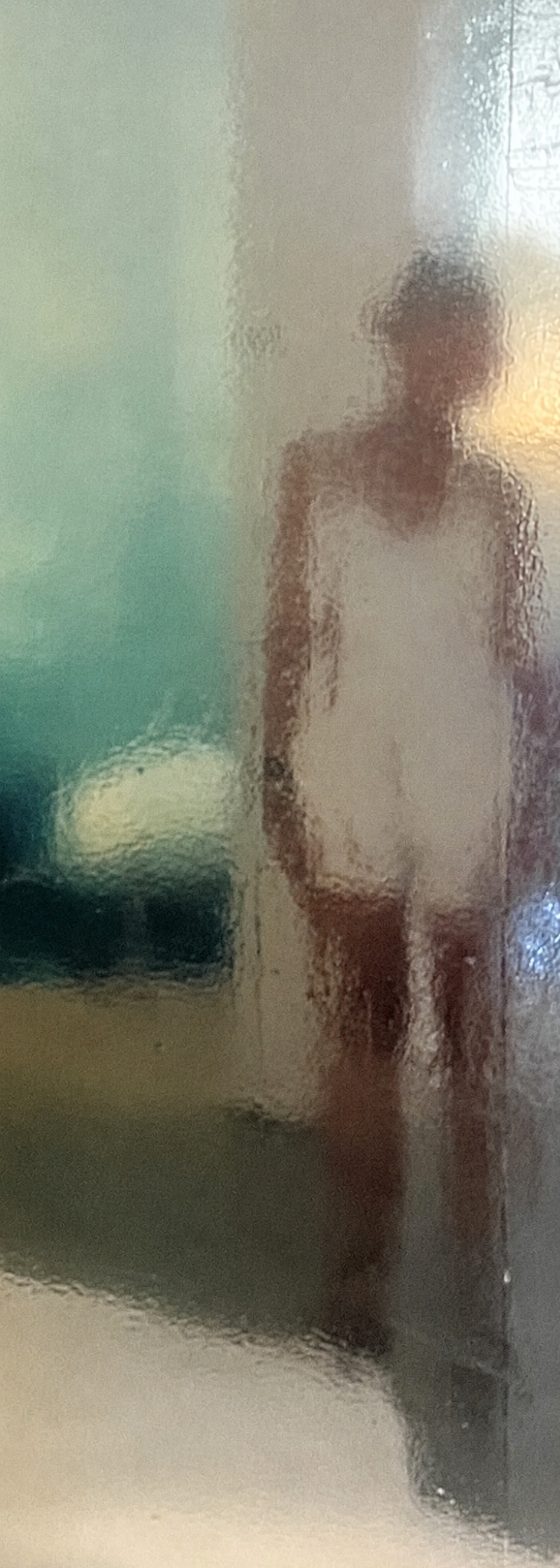
Painting, sculpture and manual work remain present in the photographic gaze. Techniques are not brought together to demonstrate skill: they are chosen according to what each work calls for. What passes from one generation to another, from a place to those who inhabit it, from an object to its successive uses or from a material into a new form never remains intact. Something is lost, persists, shifts and becomes something else.
Anna Khann does not seek to close images through explanation. She allows them to retain their silence, their tension and their capacity for transformation.